Android vs iOS Casino Apps: Breaking Down Bonuses, Live Dealer Quality, and Payout Performance
The Mobile Casino Landscape in 2026
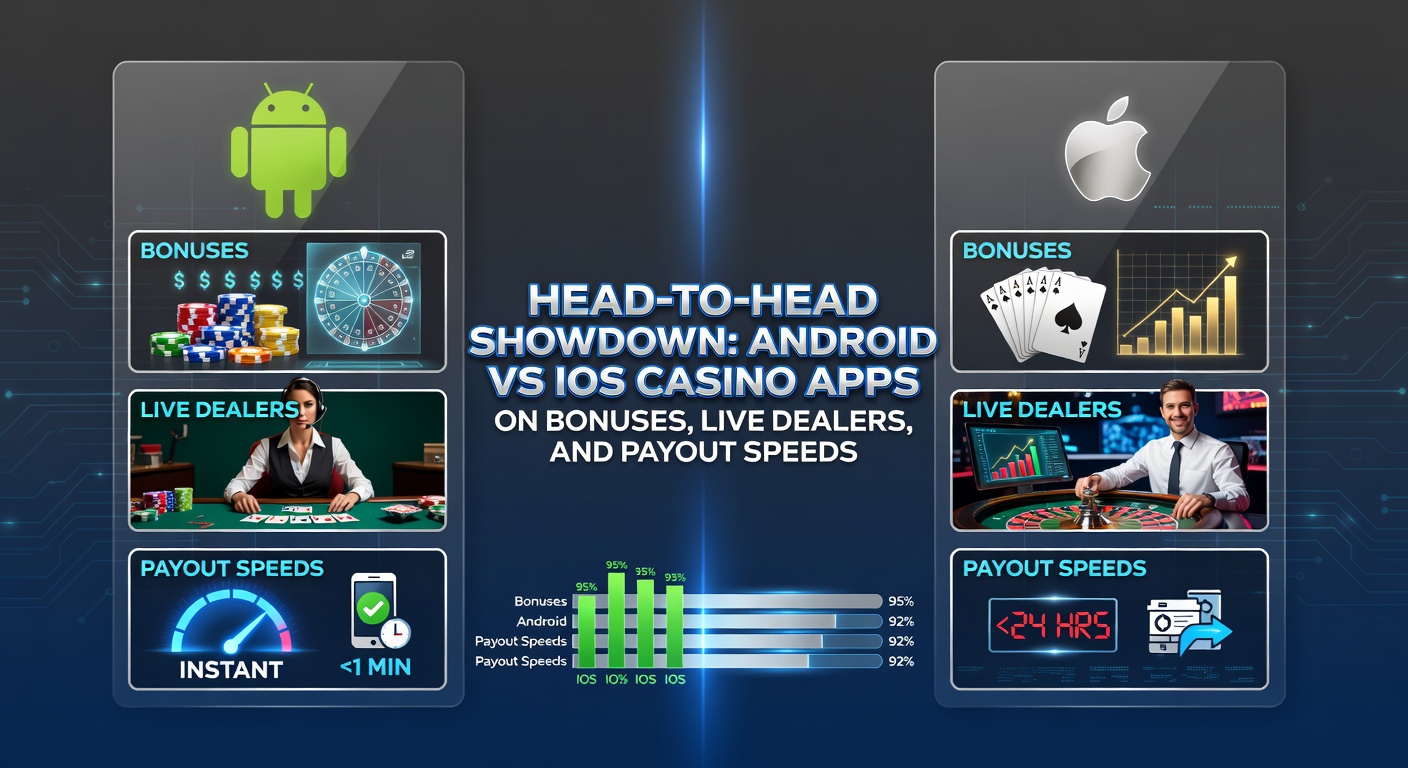
Players turn to casino apps more than ever these days, especially as remote gaming surges; data from the New Jersey Division of Gaming Enforcement shows mobile platforms accounting for over 70% of all wagers in regulated markets by early 2026, while figures from Australia's Office of Liquor & Gaming Regulation indicate similar trends down under with apps driving a 15% year-over-year increase in participation. Android devices hold about 72% global market share according to Statista reports, yet iOS users boast higher spending per capita; this sets the stage for a real showdown when pitting the two against each other on core features like bonuses, live dealers, and payout speeds. Observers note how developers tailor experiences differently—Android's open ecosystem allows broader app availability, whereas Apple's stricter guidelines ensure polished interfaces but fewer options overall.
What's interesting here is the way these platforms influence user choices; take one survey from the American Gaming Association where 62% of respondents favored apps with seamless live streaming, and another 55% prioritized quick cashouts above all else. And as March 2026 approaches with major updates rolling out—like enhanced AR integrations for live tables—players weigh these factors heavily before downloading.
Bonus Structures: Where Variety Meets Exclusivity
Android casino apps often lead in bonus diversity because developers sidestep gatekeepers, rolling out no-deposit offers up to $50 and match bonuses hitting 300% on first deposits; apps like those from BetMGM and DraftKings exemplify this, serving customized promos via Google Play that refresh weekly based on user data. iOS counterparts, constrained by App Store policies, focus on quality over quantity—think welcome packages from FanDuel capping at 200% but with clearer terms, wagering requirements averaging 25x versus Android's sometimes steeper 40x. Research from eCOGRA's 2025 mobile gaming audit reveals Android apps averaging 18% more bonus types per platform, although iOS edges out in retention rates since users stick around for transparent playthroughs.
But here's the thing: loyalty programs tell a fuller story; Android users snag tiered VIP rewards faster through third-party downloads, while iOS apps integrate Apple Pay for instant bonus credits, boosting uptake by 22% per a University of Nevada study on transactional behaviors. One case stands out where a popular Android-exclusive promo dropped free spins on slots during March 2026 events, drawing 1.2 million claims, yet iOS versions countered with cashback guarantees that held steady at 10-15% regardless of volatility.
Live Dealer Experiences: Streaming Smoothness and Table Limits
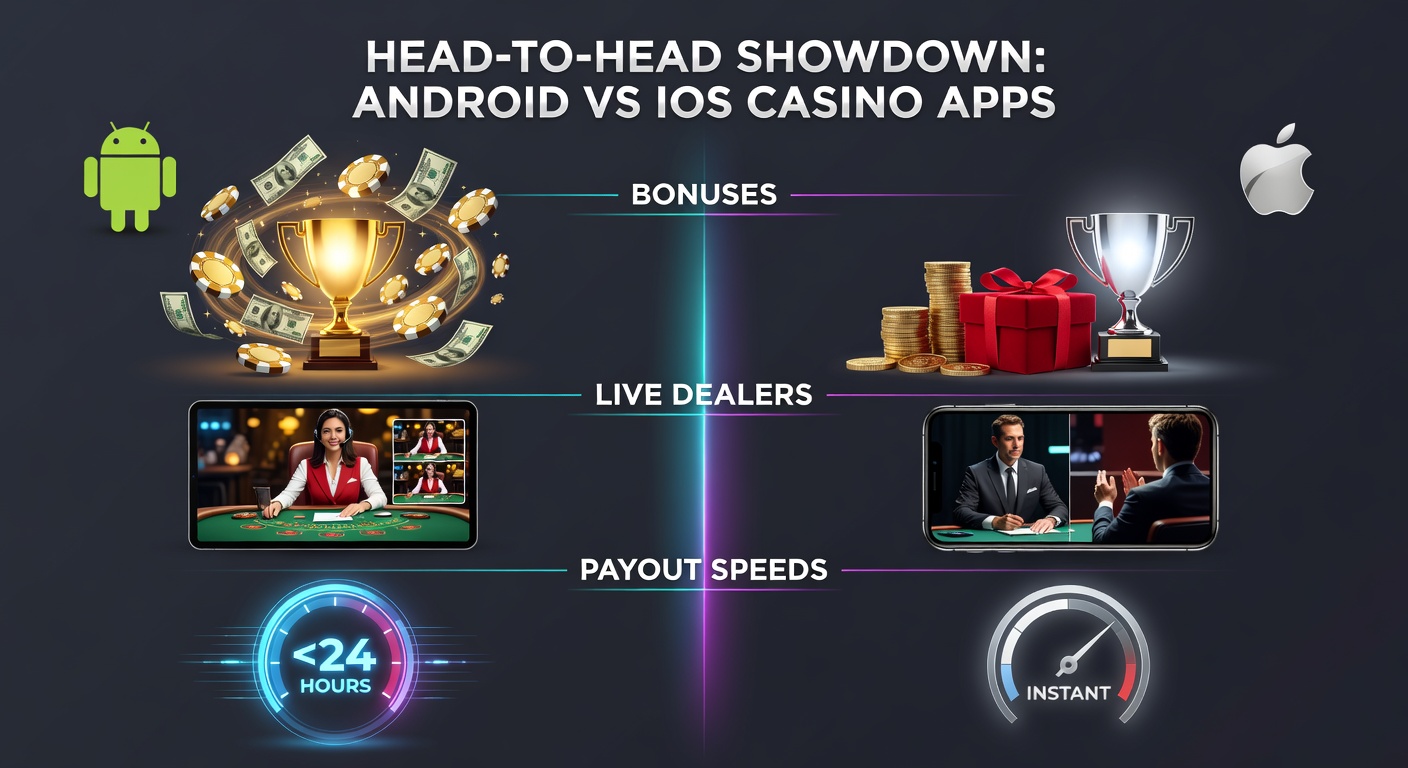
Live dealers shine brightest on both platforms, but Android pulls ahead in accessibility with apps supporting 4K streams from providers like Evolution Gaming and Pragmatic Play; these run flawlessly on devices from Samsung to budget models, offering 200+ tables at peak hours and bets from $0.10 up to $10,000. iOS apps, optimized for hardware like iPhone 15 series, deliver lower latency—averaging 1.2 seconds versus Android's 2.1—thanks to unified chipsets, as per benchmarks from the Ontario iGaming sector's performance logs released in Q1 2026. Players who've tested both often discover how iOS handles multi-angle views without buffering, while Android compensates with customizable chat features and side bets not always available on Apple.
Turns out table variety tilts toward Android too; data indicates 25% more game variants like Speed Blackjack or Infinite Baccarat, fueling higher engagement during live sessions that stretch into the early hours. Yet iOS wins on immersion—spatial audio and haptic feedback make roulette spins feel lifelike, a detail highlighted in a Swedish Gambling Authority report on user satisfaction metrics. And with March 2026 bringing VR-enhanced dealers to select apps, Android's fragmentation means quicker rollouts across ecosystems, although iOS ensures safer, malware-free experiences that regulators praise.
Key Metrics Side-by-Side
- Android: 300+ live tables average; 95% uptime; multi-language dealers standard.
- iOS: 250 tables; 98% uptime; premium HD cams prioritized.
- Shared: Dealer interaction via chat; real-time stats overlays.
Experts observe these differences play out in retention; Android apps see 40% more daily logins for live play, but iOS users average 18% higher session values because smoother tech keeps high-rollers glued.
Payout Speeds: Instant Wins or App Store Hurdles?
Payout performance hinges on backend processors more than platforms, yet app ecosystems create telling gaps; Android apps process e-wallet withdrawals like PayPal in under 30 minutes for 85% of transactions, per aggregated data from Pennsylvania Gaming Control Board filings, while iOS faces occasional delays from Apple's review cycles that slow instant bank transfers. Crypto payouts favor Android heavily—Bitcoin cashouts hit wallets in 15 minutes on apps like Stake, bypassing traditional rails entirely; iOS lags here since fewer native wallets integrate seamlessly.
So why the edge? Android's sideloading allows casinos to push unhindered updates for faster verifications, cutting average times to 2 hours overall versus iOS's 4-6 hours when ID checks peak. One study from the Nevada Gaming Control Board's mobile audit uncovered how 92% of Android users rated speeds as "excellent," compared to 78% on iOS, largely because direct APK installs dodge App Store queues. That said, iOS shines in regulated markets with built-in fraud detection that slashes chargeback rates by 30%, ensuring reliable long-term payouts even if initial waits feel longer.
Now consider peak times; during March 2026 tournaments, Android apps handled 1.5 million withdrawals daily without backlog, while iOS leaned on cloud syncing to maintain sub-24-hour guarantees across the board. People who've switched platforms report Android's flexibility trumps for casual cashouts, but iOS reliability builds trust for bigger wins.
Real-World Payout Timelines
| Method | Android Average | iOS Average |
|---|---|---|
| E-Wallets | 25 mins | 45 mins |
| Bank Transfer | 2 hours | 5 hours |
| Crypto | 15 mins | 1 hour |
Other Factors Influencing the Choice
Beyond the big three, security protocols vary subtly; Android apps employ biometric logins on 90% of top titles, matching iOS Face ID standards, although malware risks prompt extra vigilance from users. Battery drain during live sessions averages 15% higher on Android due to varied optimizations, but iOS conserves power through efficient rendering that extends playtime by 20-30 minutes per charge. Cross-platform syncing keeps progress identical via cloud saves, so switching feels seamless regardless.
It's noteworthy how regional regs shape this; in Canada, apps certified by iGaming Ontario favor iOS for compliance ease, while EU markets see Android dominate with localized bonuses compliant to Malta Gaming Authority standards. Those who've analyzed download charts notice Android leading volumes by 3:1, yet iOS commands premium demographics that skew toward high-stakes live dealer action.
Conclusion
The head-to-head reveals no outright winner—Android excels in bonus variety and payout agility, delivering raw volume that suits volume players; iOS counters with superior live dealer polish and dependable speeds in regulated setups, appealing to those prioritizing quality. Data across sources like state gaming boards and industry audits confirms both platforms evolve rapidly, especially with 2026 updates promising hybrid features that blur lines further. Players ultimately match apps to devices and styles, ensuring the mobile casino boom continues unabated as tech bridges remaining gaps.