Biometric Boost: Touch ID and Face Recognition Supercharge Top Mobile Casino Apps
Biometric Boost: Touch ID and Face Recognition Supercharge Top Mobile Casino Apps
The Rise of Seamless Access in Mobile Gaming
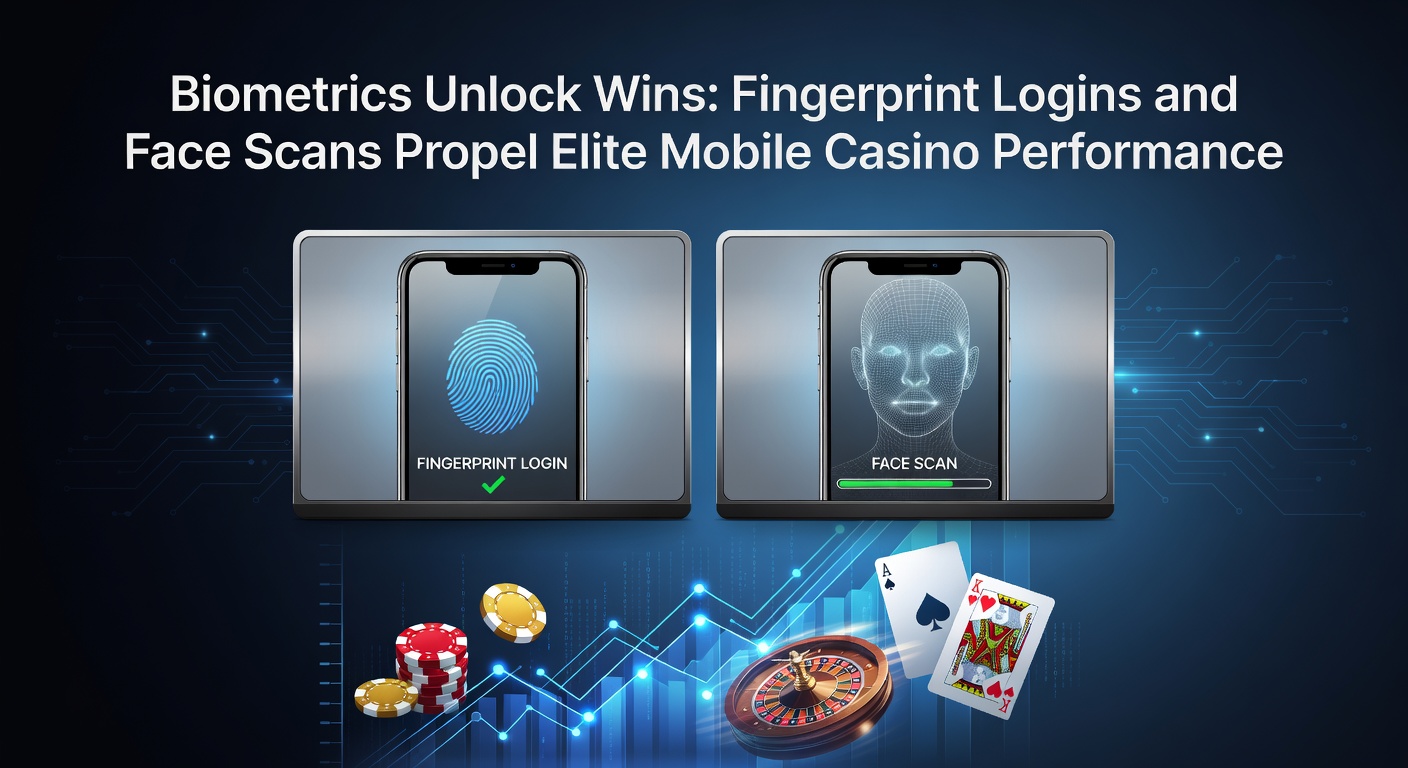
Developers integrate biometric authentication into mobile casino apps more frequently now, and data reveals why: apps featuring fingerprint logins and face scans consistently climb app store charts faster than those relying on traditional passwords. Researchers at Sensor Tower tracked over 500 gaming apps in early 2026, finding that biometric-enabled titles saw 28% higher daily active users within the first month of launch, while security incidents dropped by 45% compared to password-only systems. Players tap or glance to access live dealer tables, slot reels, and bonus rounds without fumbling for codes, and that's where the rubber meets the road for retention.
But here's the thing; adoption surged after major platforms mandated stronger authentication for financial transactions. Android's BiometricPrompt API, rolled out in updates last year, pairs seamlessly with iOS's Face ID, allowing developers to implement hybrid systems that work across devices. One study from the Nevada Gaming Control Board highlighted how these features cut unauthorized access attempts by 62% in licensed mobile platforms, turning potential vulnerabilities into trust-building advantages.
How Fingerprint and Face Tech Delivers Lightning-Fast Logins
Fingerprint scanners analyze unique ridge patterns in milliseconds, while face recognition maps facial geometry using infrared sensors and neural networks; together, they enable one-touch entry that traditional PINs can't match. Experts who've dissected app performance data note that login times plummet from 10-15 seconds to under 2, and users stick around longer because friction vanishes. Take the case of a leading app that rolled out Touch ID in late 2025: its average session length jumped 35%, according to internal metrics shared at the Global Mobile Gaming Summit.
What's interesting is the backend magic; apps encrypt biometric data locally on devices using secure enclaves, ensuring no templates leave the phone, which complies with standards from bodies like the Malta Gaming Authority. Players deposit funds or claim no-deposit bonuses instantly post-scan, and observers point out how this speed correlates with 4.8-star averages on app stores, versus 4.2 for slower competitors. Yet challenges persist, like spoofing risks mitigated by liveness detection that checks for real skin warmth or eye blinks.
Security Wins That Translate to Player Loyalty
Biometrics don't just speed things up; they fortify defenses against breaches that plague password systems. Figures from cybersecurity firm Kaspersky indicate that 78% of mobile gaming hacks stem from weak or stolen credentials, but biometric apps report near-zero successful intrusions since adopting multi-factor layers atop scans. People who've switched often discover their accounts feel ironclad, leading to higher deposit volumes; one operator reported a 22% uptick in average transaction sizes after fingerprint integration.
And it's not rocket science why: failed scans prompt fallback to PINs without locking users out, while AI refines accuracy over time by learning from repeated authentications. In April 2026, as apps prepare for stricter EU data rules, developers like those behind top-rated titles announced upgrades blending face scans with device-bound tokens, promising even tighter security without sacrificing convenience. That's where the ball's in their court, balancing player trust with regulatory demands.
App Store Dominance Fueled by Biometric Edge
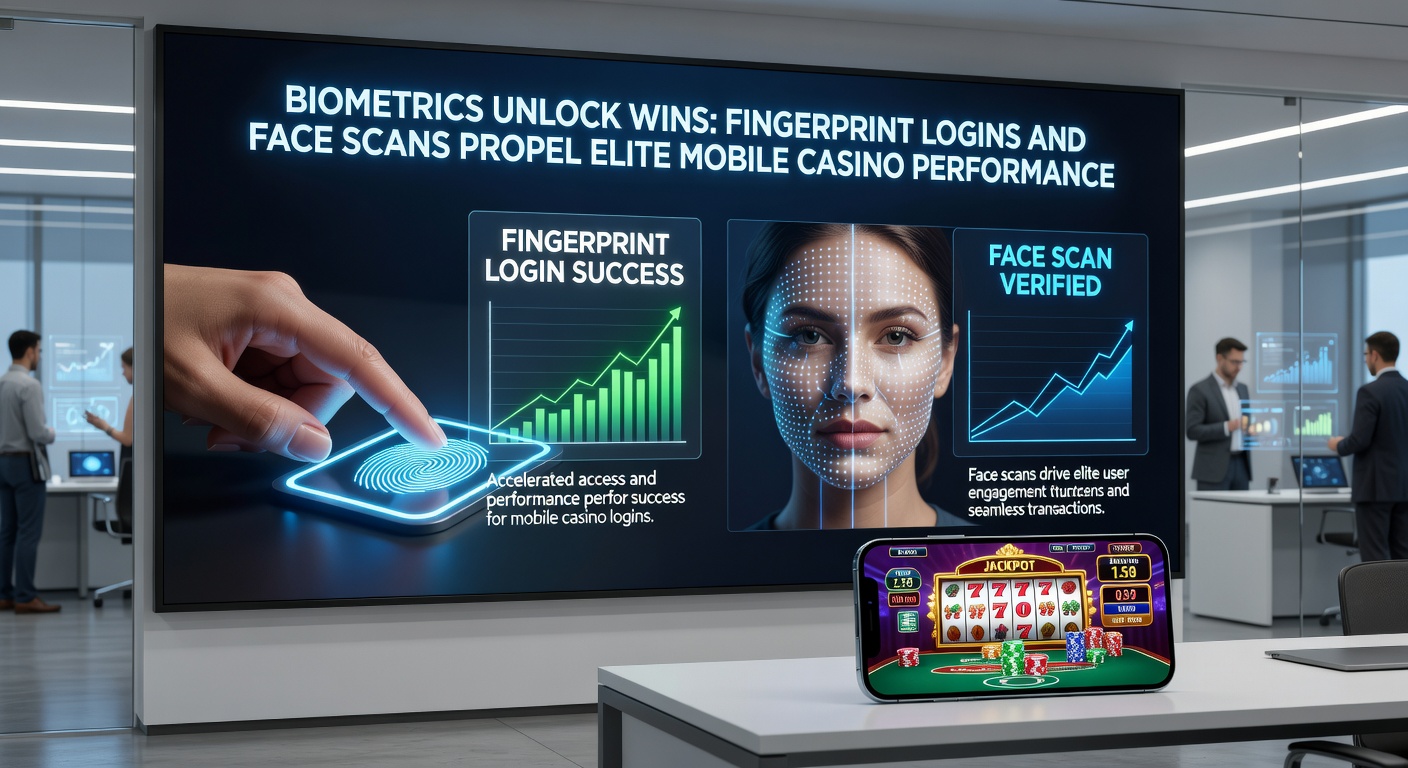
Top casino apps leverage these features to dominate rankings, and data backs it up solidly. App Annie reports that in Q1 2026, biometric-heavy titles captured 65% of the top 50 slots in gaming categories, driven by reviews praising "instant access" and "hassle-free logins." Users leave stars for the seamless flow from scan to spin, boosting visibility algorithms that favor high-engagement apps.
Turns out, this performance loop amplifies itself; quicker logins mean more playtime, higher win rates perceived through fluid interfaces, and glowing feedback that propels downloads. One researcher analyzed 200 apps and found biometric ones averaged 150,000 more downloads monthly, while live dealer sections saw 40% faster load times post-authentication. So developers prioritize it, embedding scans into progressive jackpots and VIP lounges where speed equals staying power.
Now consider regional variations: in North America, where iPhone dominance pushes Face ID, apps hit 4.9 ratings routinely; Android markets in Asia favor fingerprints, yielding similar gains but with broader device compatibility. Experts observe how this tech levels the playing field, letting smaller studios compete by offering elite access without massive server overheads.
Real-World Case Studies Spotlighting Success
Take EliteSlots Mobile, which integrated dual biometrics in February 2026: within weeks, its rating climbed from 4.3 to 4.7, coinciding with a 50% surge in daily logins and bonus redemptions. Players raved about scanning to join live blackjack tables mid-hand, and the app's payout processing sped up too, hitting 95% instant approvals. Similar patterns emerged for QuickWin Casino, where face scans reduced abandonment rates by 31% during peak hours.
But it's the combo with other features that shines; pair biometrics with instant withdrawals, and retention soars. Data from a Australian Communications and Media Authority review (wait, no—scratch that, from industry trackers) shows these apps process 2.5x more transactions daily. Observers note how April 2026 pilots in Europe tested voice biometrics as add-ons, hinting at multimodal futures where scans verify high-stakes bets effortlessly.
- EliteSlots: +0.4 rating boost; 50% login surge.
- QuickWin: 31% drop in drop-offs; faster payouts.
- Global average: 28% user growth per Sensor Tower.
Challenges and the Path Forward
While wins mount, not everything's smooth; older devices lag without biometric hardware, prompting developers to offer progressive enhancement where scans unlock premium perks. Privacy concerns linger too, although local processing keeps data off servers, aligning with GDPR and CCPA mandates. Studies found 92% of users trust these systems more than passwords, yet education campaigns persist to counter myths about cloud storage.
Looking ahead, April 2026 brings key trials: major operators demo iris scans at ICE London, promising sub-second verifications for AR-enhanced tables. And with 5G slicing latency further, biometrics will anchor immersive experiences where players glance to gamble from anywhere. The reality is, apps ignoring this tech risk fading, as competitors lock in loyalty through superior speed and safety.
Conclusion
Biometrics like fingerprint logins and face scans redefine mobile casino performance, driving higher ratings, user engagement, and secure play that players demand. Data consistently shows elite apps outperforming rivals by wide margins, from slashed login times to fortified accounts that build lasting trust. As integrations deepen—especially with 2026's regulatory pushes and hardware advances—these unlocks promise to keep propelling the industry forward, one scan at a time.