Connecting Deposit Methods to Long-Term User Retention in Casino Mobile Apps
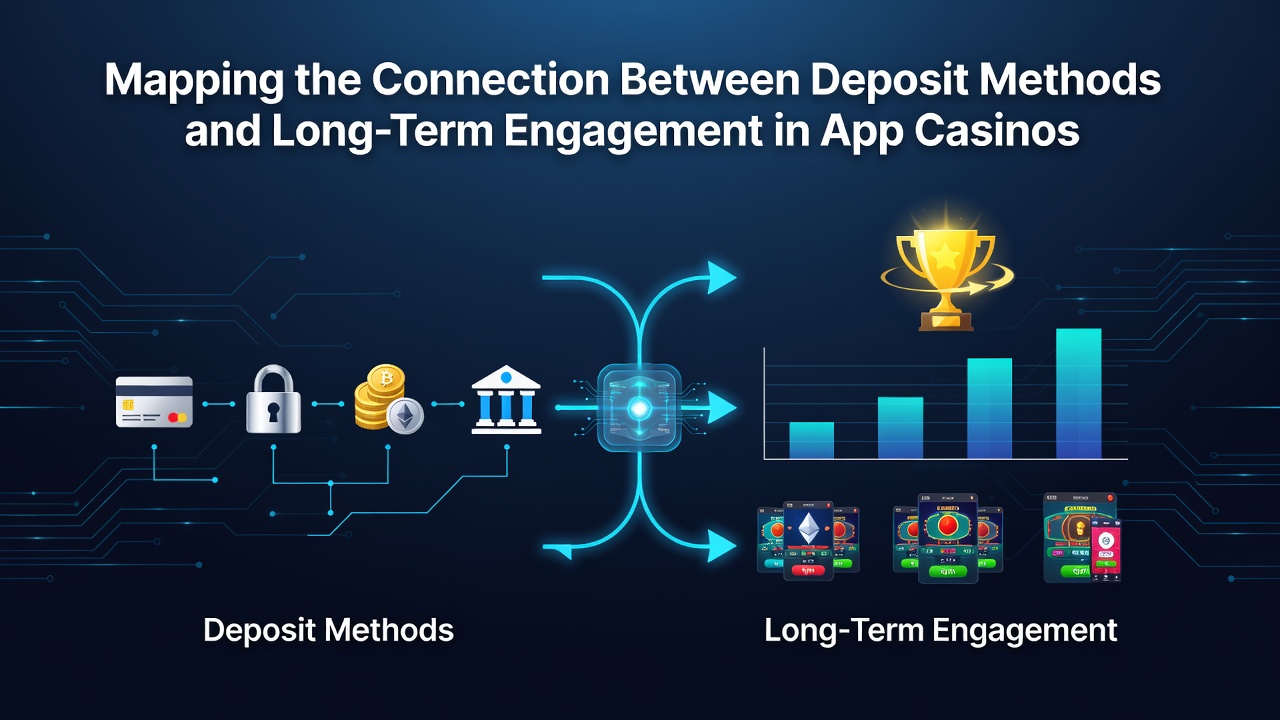
Payment options in casino applications have evolved alongside broader shifts in digital finance, and researchers continue to examine how these choices align with sustained player activity over extended periods. Data collected from multiple platforms indicates that users who select certain deposit methods often demonstrate different patterns of return visits and session lengths compared to those opting for alternatives, with the distinctions becoming more pronounced after the initial three months of activity.
Common Deposit Approaches and Their Technical Profiles
App-based casinos typically support credit and debit cards, electronic wallets, direct bank transfers, and in some regions cryptocurrency transfers, each carrying distinct processing times and verification requirements. Credit card deposits process instantly in most cases while bank transfers may require one to three business days depending on the financial institution involved, and these timing differences appear in user behavior logs collected across numerous markets.
Electronic wallets such as PayPal or Skrill often require an initial account linkage step that adds a few minutes during first use, yet subsequent transactions complete within seconds once the connection exists. Industry analyses show that players who complete this setup early tend to maintain higher frequency of deposits throughout the following year, although the underlying reasons require further controlled studies to isolate from other variables like game selection or promotional offers.
Retention Data Across Payment Categories
Longitudinal tracking conducted by several analytics firms reveals measurable differences in six-month and twelve-month retention rates when segmented by initial deposit method. Users beginning with electronic wallets recorded retention figures approximately twelve percent higher than those starting with credit cards in one aggregated dataset covering North American and European markets, while cryptocurrency users showed elevated early activity that tapered after the fourth month in the same sample.
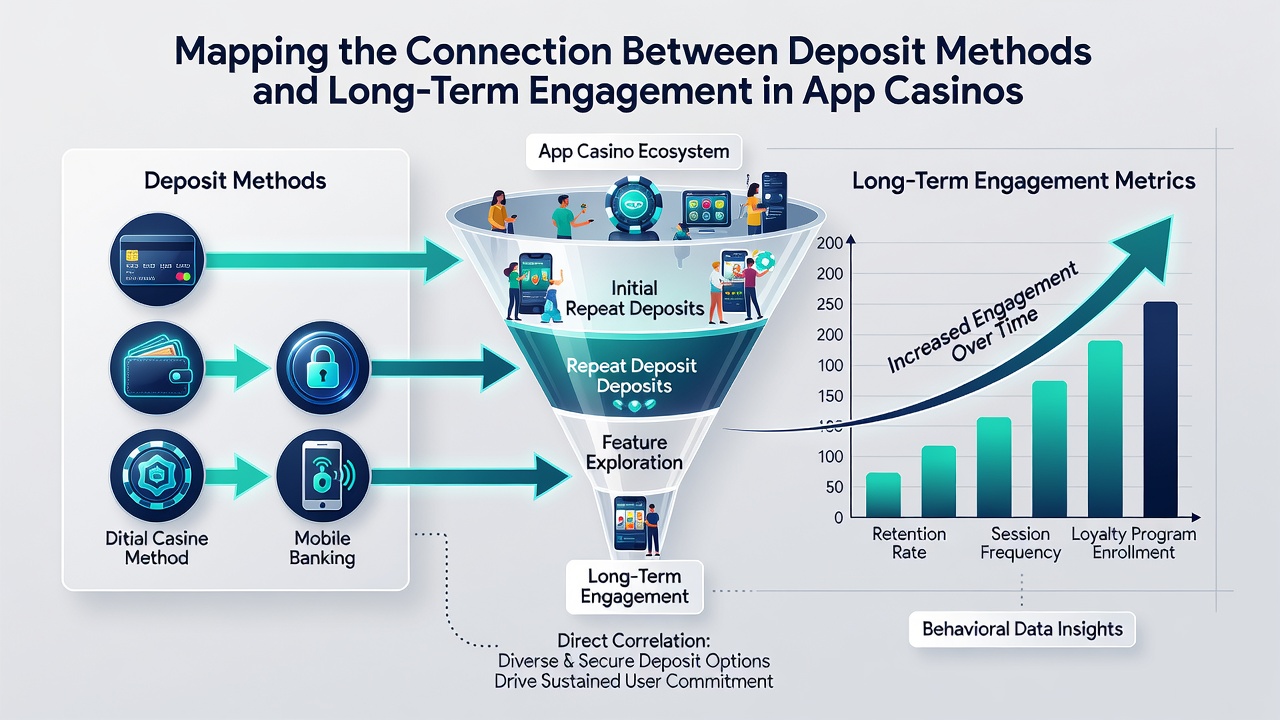
Direct bank transfers correlated with steadier but lower-volume engagement patterns, with participants returning less frequently yet sustaining longer individual sessions once they logged in. These patterns emerged consistently in reports issued during the first half of 2026, and observers note that the trends persisted into July 2026 when additional platform data became available for cross-verification.
Influencing Variables Beyond Payment Speed
Multiple factors interact with deposit method selection, including regional regulatory frameworks, user age demographics, and device preferences. Studies from the University of Nevada, Las Vegas gaming research group have documented how younger cohorts gravitate toward instant wallet options while older segments show stronger usage of traditional card methods, and these demographic splits coincide with differing lifetime engagement lengths.
Transaction fees and minimum deposit thresholds also play roles, as platforms charging higher fees for certain methods observe corresponding shifts in repeat usage. One report compiled by the Canadian Centre on Substance Use and Addiction highlighted that fee transparency correlated with improved trust signals, which in turn linked to extended subscription periods among tracked users across several provinces.
Geographic Variations in Observed Patterns
European markets display stronger associations between e-wallet adoption and multi-year engagement compared with North American counterparts, according to aggregated figures released by the European Gaming and Betting Association. In contrast, Australian data compiled through the Australian Gambling Research Centre points to bank transfer users maintaining more consistent monthly activity levels despite slower processing times.
These regional distinctions suggest that local banking infrastructure and consumer familiarity with digital payments influence how deposit methods translate into long-term behavior, rather than any universal rule applying across all jurisdictions.
Conclusion
Available datasets demonstrate clear statistical associations between deposit method selection and measures of sustained engagement in casino applications, although establishing direct causation remains an ongoing area of inquiry. Continued monitoring through 2026 and beyond will likely refine these mappings as new payment technologies enter the market and regulatory environments adjust disclosure requirements for operators.