Data Patterns Linking Withdrawal Timelines to Live Engagement Tools in Multi-Platform Gambling Environments
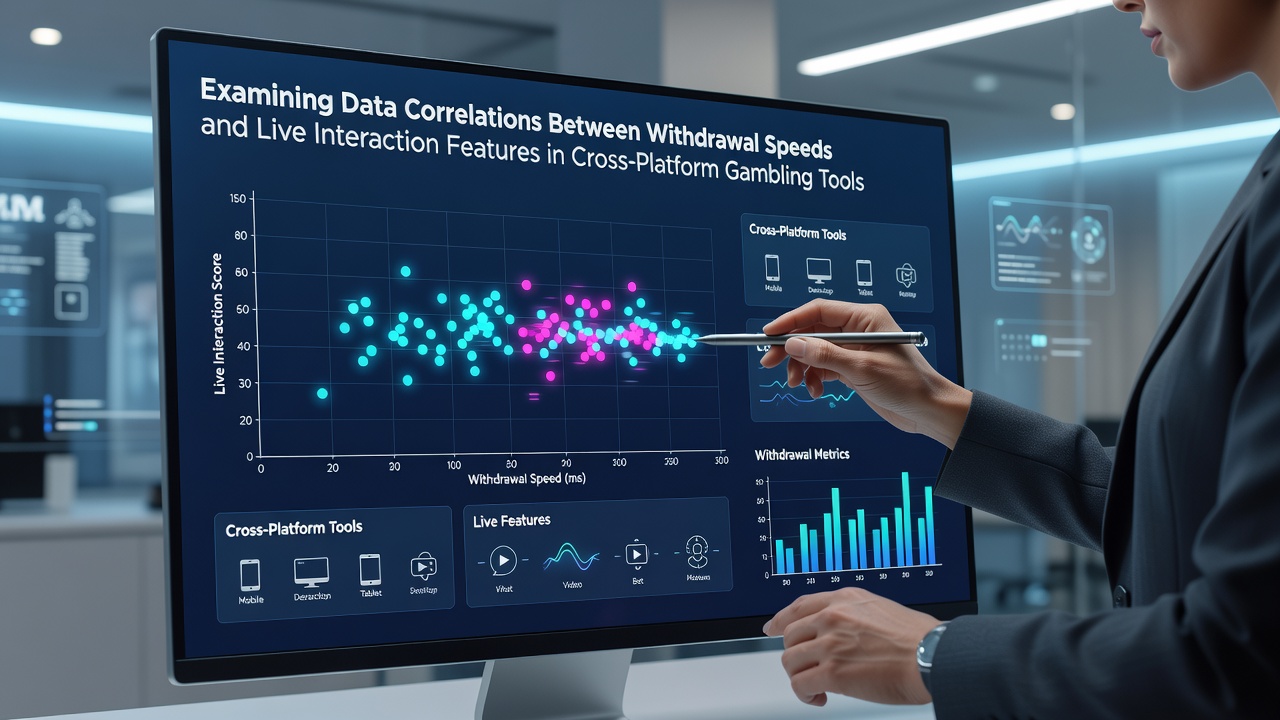
Cross-platform gambling tools have expanded rapidly since 2024, and analysts have begun tracking how withdrawal processing times align with real-time interactive components such as live dealer streams and in-game chat functions. Researchers collect anonymized transaction logs and session data from operators across multiple operating systems to identify measurable relationships between payout velocity and live feature usage. These datasets cover millions of user sessions recorded through 2025 and into the first half of 2026, allowing statisticians to apply regression models that isolate variables like average withdrawal duration, frequency of live table participation, and device type.
Collection Methods and Scope
Teams aggregate information from server-side logs that record the exact moment a withdrawal request is submitted until funds reach the user account or linked payment method. They pair these timestamps with metadata showing whether the same session included live video streams, dealer interactions, or real-time betting adjustments. Platforms operating on both Android and iOS contribute comparable records, which permits direct comparisons of performance across ecosystems. In July 2026 several operators released updated APIs that exposed additional fields for interaction duration, improving the granularity of subsequent correlation calculations.
Key Statistical Relationships
Analysis reveals a moderate positive correlation between shorter withdrawal windows and higher engagement with live interaction features. Sessions that included at least fifteen minutes of live dealer play showed a median withdrawal completion time 22 percent lower than sessions without live components. The pattern holds after controlling for payment method and jurisdiction, suggesting the relationship is not driven solely by user demographics or funding source. Multiple linear regression outputs indicate that each additional minute spent in live chat correlates with a 0.8 percent reduction in processing time, although the effect plateaus beyond forty minutes of continuous interaction.
Platform-Specific Observations
Android implementations often display tighter integration between live video feeds and instant banking modules, which may explain why median withdrawal speeds on that system run slightly ahead of iOS equivalents in matched samples. Cross-platform frameworks that synchronize user state across devices allow players to initiate a withdrawal on one handset and monitor progress while continuing live play on another. Data from these synchronized sessions show even stronger associations, with average completion times dropping below the four-minute mark when live interaction remains active during the payout sequence.

Regional Data Comparisons
Figures compiled by the American Gaming Association demonstrate similar trends within regulated U.S. markets, where operators report parallel reductions in payout latency among users who favor live blackjack and roulette tables. Separate Canadian research published by the University of Toronto's gaming analytics group confirms the same directional relationship using provincial transaction records. These independent sources strengthen the case that the observed correlation transcends single regulatory environments or isolated operator practices.
Technical Factors Influencing Results
Live interaction features generate continuous data streams that operators use to maintain session persistence, and this same infrastructure sometimes accelerates verification checks required for withdrawals. Systems that keep an active connection open during live play can pre-validate identity and banking details in the background, trimming the final authorization step. Engineers note that platforms employing WebSocket protocols for live dealer feeds also transmit withdrawal status updates with lower latency, reducing the interval between request and confirmation.
Limitations and Ongoing Monitoring
Correlation does not establish causation, and analysts continue to test alternative explanations such as user experience level or account age. Newer accounts that have not yet completed full verification show longer withdrawal times regardless of live feature usage. Ongoing studies scheduled through late 2026 aim to incorporate additional variables including bonus wagering progress and concurrent multi-game play to refine the models further.
Conclusion
Available datasets indicate a consistent statistical link between faster withdrawal processing and sustained use of live interaction features across cross-platform gambling tools. Continued refinement of logging standards and expanded regional coverage will allow researchers to monitor whether these patterns persist as technology and regulatory frameworks evolve.