Following Bonus Activation Trails in Integrated Banking Systems for Cross-Platform Gaming
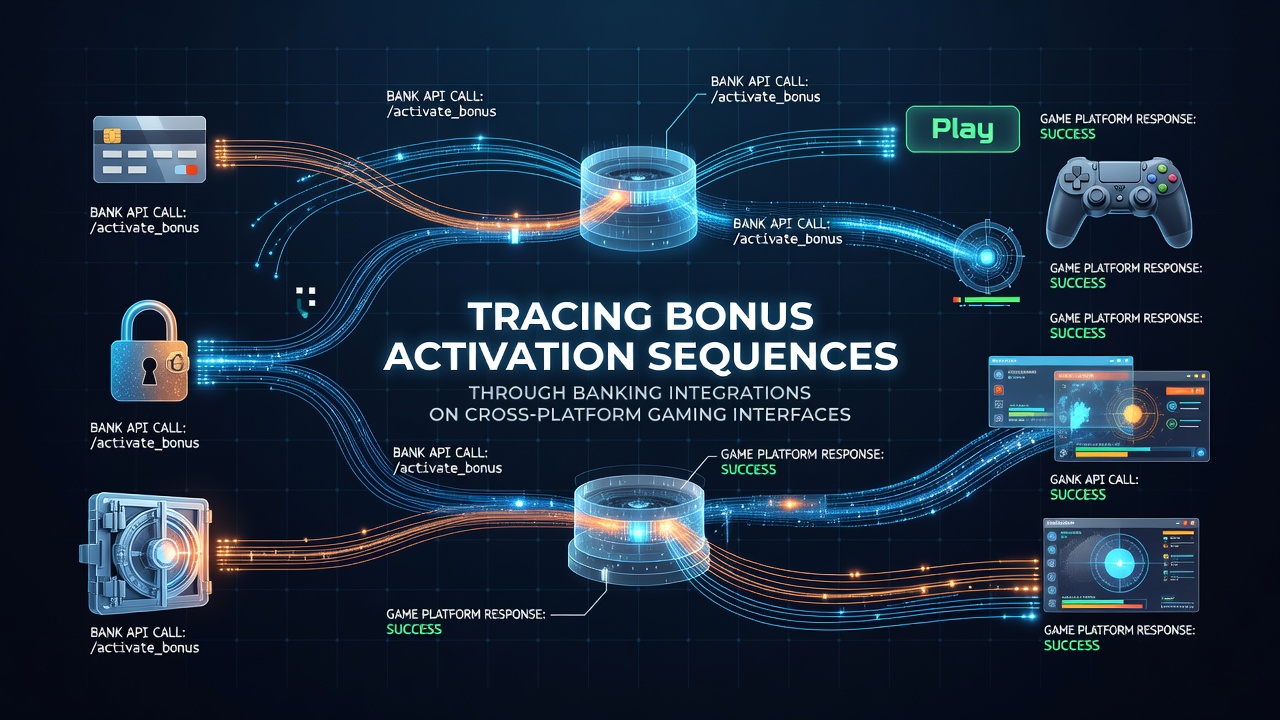
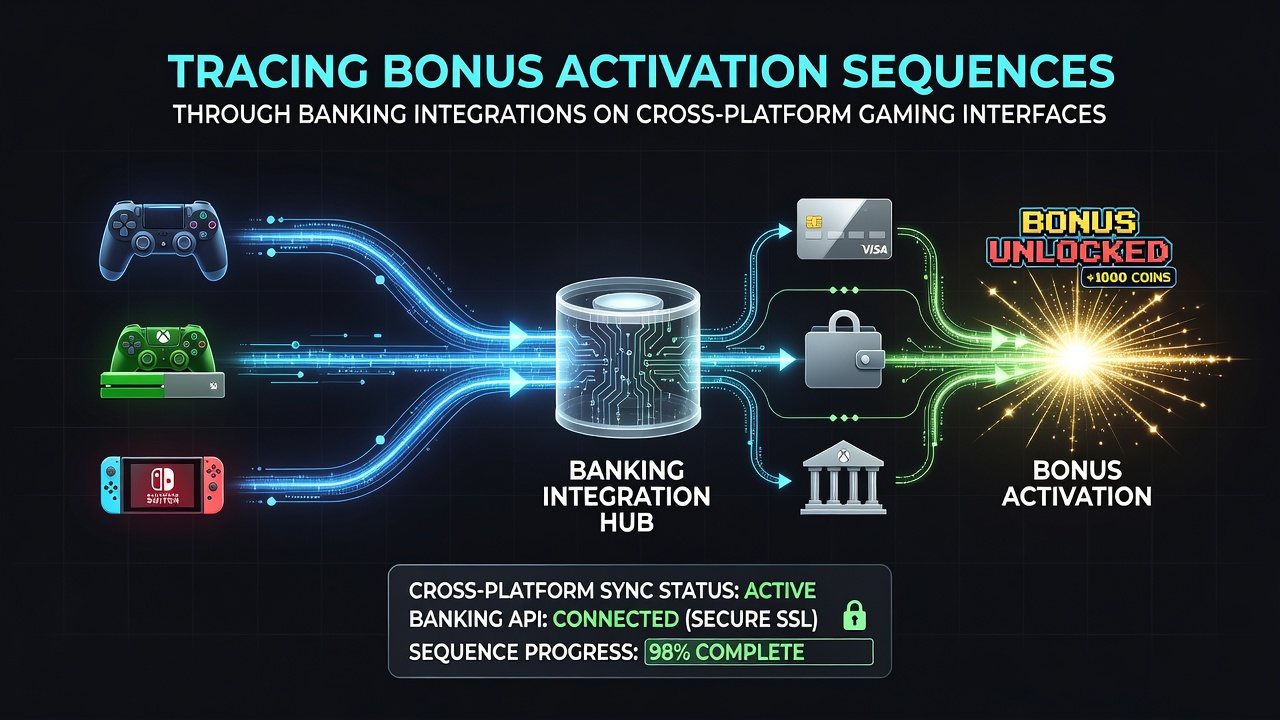
Bonus activation sequences in gaming environments depend on precise coordination between user interfaces, backend servers, and external banking networks, where each step must align across devices to trigger rewards correctly. Observers note that these processes rely on standardized APIs that transmit verification signals from payment processors directly into gaming logic layers, ensuring that deposits or wagers meet predefined criteria before any bonus credits appear in player accounts.
Core Components of Activation Sequences
Payment gateways serve as the primary checkpoints in these sequences, receiving transaction data from mobile apps or desktop clients and relaying confirmation codes back to the gaming platform within milliseconds. Researchers at institutions studying digital transaction systems have documented how session tokens generated during login carry forward into banking calls, creating an unbroken chain that platforms use to validate eligibility for incentives. When a user initiates a deposit on one device, the integration layer records the amount, currency, and timestamp, then matches it against rules stored in the bonus management module.
Cross-platform consistency demands that these records synchronize in real time across operating systems, which often involves middleware solutions handling format conversions between iOS secure enclave outputs and Android keystore signatures. Data indicates that mismatches in device-specific encryption protocols can interrupt sequences, prompting fallback mechanisms that re-authenticate the banking session before proceeding.
Technical Pathways Across Devices
Engineers design banking integrations using protocols such as OAuth 2.0 combined with webhook callbacks, allowing the gaming server to receive instantaneous notifications once a financial transaction clears. Those who've examined production logs from major operators report that bonus triggers frequently hinge on a three-step handshake: initial authorization from the bank, amount reconciliation against promotional terms, and final ledger update that credits the player's balance. In July 2026, several platforms introduced enhanced logging features that timestamp each handshake stage down to the microsecond, aiding in post-event audits without disrupting live play.
What's notable is how cloud-based orchestration tools now manage state across sessions, preserving activation context even when players switch from a tablet to a desktop browser mid-transaction. This approach reduces failed triggers, according to reports from the International Association of Gaming Regulators, which tracks operational metrics across multiple jurisdictions outside the UK framework.
Security Measures in Sequence Tracing
Encryption standards such as TLS 1.3 protect the data streams moving between banking partners and gaming backends, while tokenization replaces sensitive account numbers with temporary identifiers that expire after each sequence completes. Analysts examining breach patterns have found that robust sequence tracing helps isolate anomalies quickly, since each bonus activation leaves a verifiable audit trail tied to specific banking events. Organizations like the European Gaming and Betting Association publish guidelines recommending multi-factor confirmation at the payment layer to prevent replay attacks that could falsely activate rewards.
One documented case involved a North American operator that implemented blockchain-assisted logging for bonus sequences, allowing independent verification of every banking integration step while maintaining player privacy through zero-knowledge proofs. Such methods, while not yet universal, demonstrate how sequence tracing can extend beyond internal servers into distributed verification networks.
Regulatory and Operational Considerations
Government agencies in regions including Australia and Canada require operators to maintain detailed records of how bonus activations connect to verified financial movements, ensuring transparency during compliance reviews. Figures from the Australian Communications and Media Authority reveal steady growth in cross-platform gaming volumes through 2026, with particular emphasis on seamless payment flows that support accurate reward distribution. Operators must therefore design their integrations to export sequence data in standardized formats compatible with regulatory reporting tools.
Yet implementation varies widely, since different banking partners impose unique response formats that demand custom adapters within the gaming middleware. Observers note that successful deployments often rely on modular architecture, letting teams update individual connectors without halting the entire bonus system.
Future Directions in Integration Tracing
Advancements in machine learning now assist in predicting potential sequence failures by analyzing historical banking response patterns across device types. Studies from university research groups focused on human-computer interaction have highlighted how these predictive models can flag integration issues before they affect player balances. As platforms continue expanding into emerging markets, the need for universally compatible tracing mechanisms grows, prompting collaborative efforts among industry bodies to define common data schemas for bonus-related financial events.
Conclusion
Tracing bonus activation sequences through banking integrations remains a foundational element of reliable cross-platform gaming operations, supported by layered protocols, real-time synchronization, and rigorous audit capabilities. Continued refinement of these systems aligns with evolving standards from global regulatory and technical organizations, ensuring that reward processes function consistently regardless of the device or payment pathway involved.