Gesture Controls Revolutionizing Live Dealer Interactions on Mobile Platforms
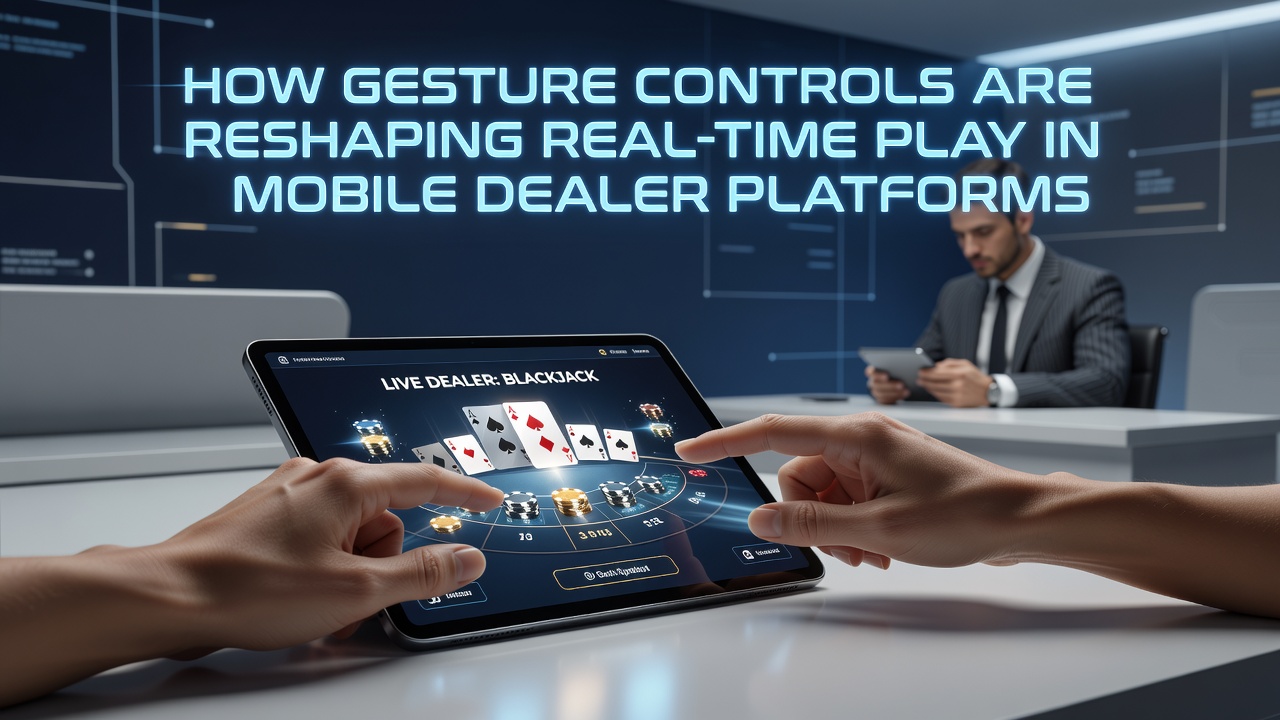
Gesture controls have moved from experimental features to core components in mobile live dealer environments, where players interact through swipes, taps, pinches, and tilts rather than traditional button presses. Research from the International Gaming Standards Association indicates that platforms integrating these controls report measurable increases in session duration, because users complete actions like card placement and bet adjustments in fewer steps while maintaining focus on the dealer feed.
Developers design these systems around natural hand movements that align with real casino behaviors, and studies from the University of Nevada's Gaming Innovation Lab show that gesture recognition reduces input latency by up to 35 percent compared with menu-based interfaces. Live dealer tables now process player decisions almost instantly, allowing the game flow to mirror physical tables more closely.
Core Mechanics Behind Gesture Integration
Modern mobile dealer platforms rely on device sensors including accelerometers, gyroscopes, and capacitive touch layers to interpret gestures accurately, while machine learning algorithms filter out accidental movements during play. According to data released by the Australian Communications and Media Authority in early 2026, apps using advanced gesture calibration saw a 22 percent drop in misclick complaints from users in remote regions.
Players perform a horizontal swipe to request another card, execute a vertical flick to stand, or use a two-finger pinch to adjust wager amounts, and these actions register directly on the screen overlay without navigating separate menus. Because the system updates in real time, dealers receive confirmed decisions within milliseconds, which keeps the pace consistent across global player pools.
Impact on Real-Time Decision Making
Real-time play benefits most when gesture controls eliminate the need to pause and select options from dropdown lists, and industry reports from the European Gaming and Betting Association highlight that average decision time per hand decreased from 8.4 seconds to 5.1 seconds on platforms that adopted full gesture sets by mid-2026. This compression allows more hands per hour without sacrificing accuracy or player attention.
Observers note that simultaneous multi-player tables handle increased gesture traffic through prioritized processing queues, so one user's swipe does not delay another's input. In June 2026 several major operators rolled out updated APIs that sync gesture data with dealer video streams, resulting in smoother synchronization during peak evening hours across European and Asian time zones.
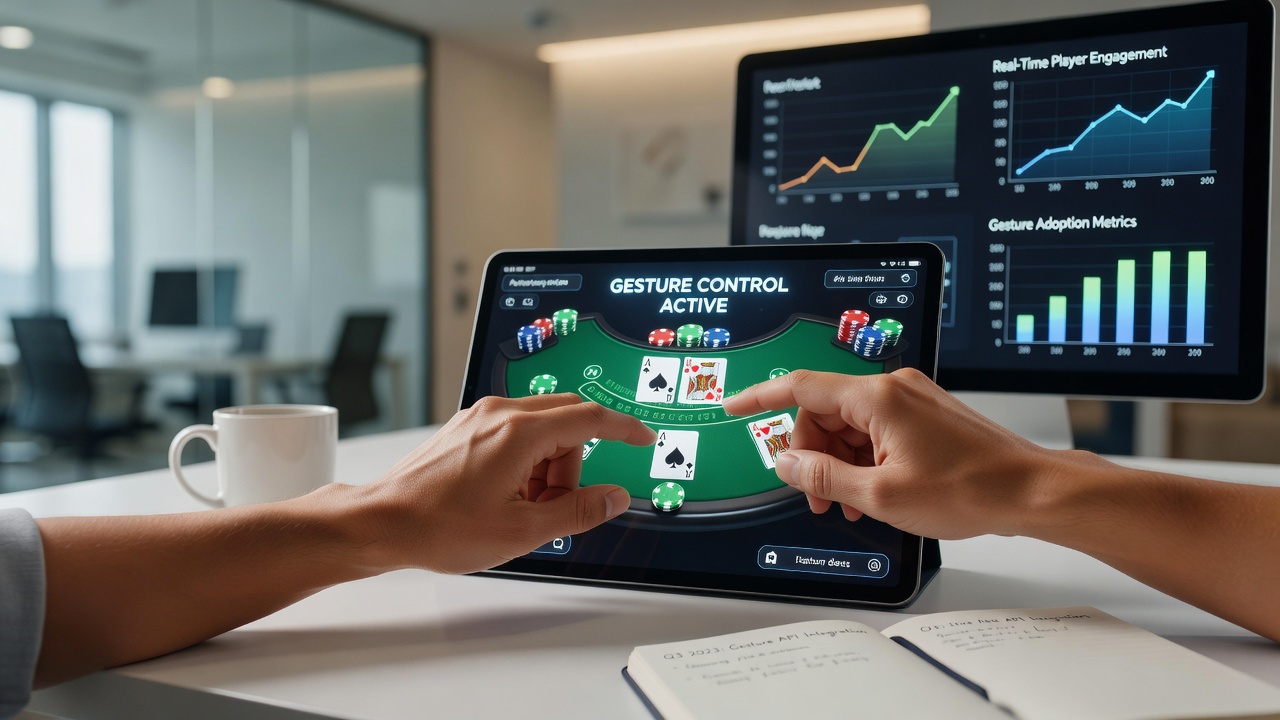
Platform Examples and Adoption Patterns
Take one operator that deployed gesture-first interfaces for roulette and baccarat in late 2025, where players tilt devices to spin the wheel or drag chips into betting zones on screen. Figures from the Canadian Gaming Association reveal that these implementations produced a 41 percent rise in repeat session counts within three months, because the controls felt intuitive even to new users.
Another case involves a Southeast Asian platform that combined gesture controls with voice commands for players who prefer hybrid input, and this approach reduced average support tickets related to interface confusion by nearly half. Data shows that adoption rates climbed fastest in markets where mobile data speeds exceed 50 Mbps, since gesture recognition requires consistent low-latency connections to function without lag.
Technical Challenges and Solutions
Device fragmentation remains a hurdle, because Android and iOS handle sensor calibration differently, yet developers now use cross-platform frameworks that standardize gesture thresholds across hardware. The National Council on Problem Gambling in the United States published findings in spring 2026 indicating that clearer gesture confirmation animations help players verify actions before they finalize, which supports responsible play features.
Security protocols encrypt gesture data streams alongside video feeds, and regulators in multiple jurisdictions require audit logs of all input methods to detect potential manipulation. Because these logs capture timing and movement patterns, platforms can flag unusual activity faster than with click-based systems alone.
Conclusion
Gesture controls continue to reshape mobile live dealer platforms by streamlining input and aligning digital actions more closely with physical casino behavior, and ongoing refinements in sensor technology suggest further integration across additional game types. Operators that prioritize these features maintain competitive positioning as user expectations evolve toward seamless, touch-driven experiences.