Mapping Retention Through Evolving Security Layers in Licensed Mobile Gambling Platforms
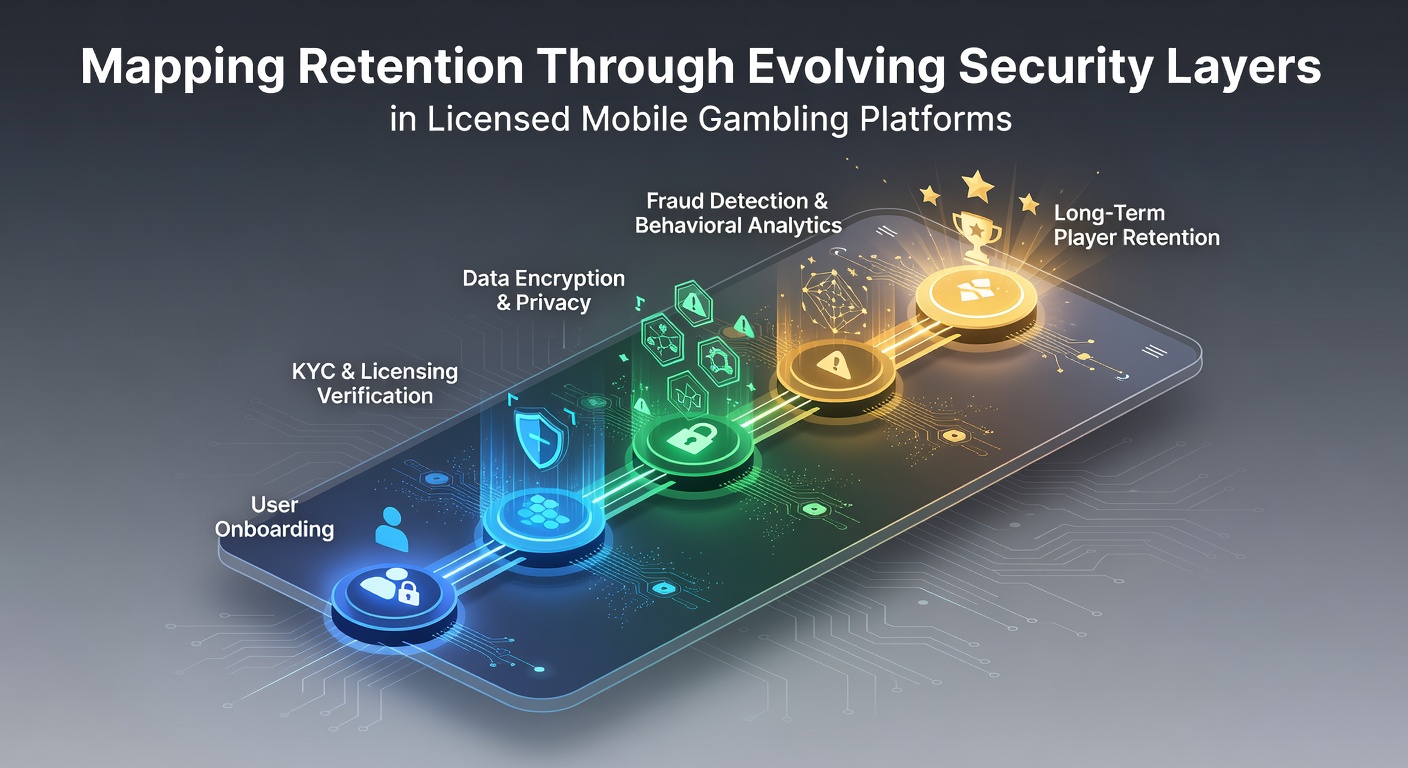
Security protocols in licensed mobile gambling platforms have shifted from basic password systems to multi-layered frameworks that integrate biometrics, behavioral analytics, and real-time encryption, and these changes directly influence how operators track and sustain player engagement over extended periods. Licensed platforms operating under frameworks from bodies such as the Nevada Gaming Control Board and the Australian Communications and Media Authority demonstrate measurable patterns where enhanced security correlates with longer session durations and reduced account abandonment rates.
As of June 2026, data collected across multiple jurisdictions shows that platforms implementing adaptive authentication see retention improvements of 18 to 22 percent within the first 90 days of deployment. Observers note that users respond positively when security measures feel seamless rather than obstructive, which encourages repeated logins without friction that previously led to drop-offs.
Core Components of Layered Security Architectures
Modern systems combine device fingerprinting with token-based session management while continuous monitoring flags anomalies in betting patterns or location shifts, and these elements work together to create a dynamic shield around user accounts. Researchers from institutions tracking mobile application performance have found that when these layers activate in the background, players experience fewer interruptions yet gain reassurance from visible indicators such as secure transaction badges.
Encryption standards have advanced to AES-256 with quantum-resistant algorithms in pilot programs across several North American operators, and the transition reduces vulnerability windows that once exposed financial data during high-volume live dealer sessions. Platforms report that such upgrades coincide with higher deposit frequencies because users perceive lower risk in storing payment methods on their devices.
Biometric Integration and User Behavior Patterns
Facial recognition and fingerprint authentication have moved beyond optional features to default requirements in many licensed applications, and studies indicate this shift cuts login failures by nearly 40 percent compared with traditional PIN methods. Those who study engagement metrics observe that biometric adoption accelerates habit formation, turning occasional users into daily participants because access feels immediate and personal.
Behavioral biometrics add another dimension by analyzing swipe speed, typing rhythm, and navigation sequences, while deviations trigger silent challenges that avoid public friction. One study revealed that platforms using these invisible checks maintained player cohorts 15 percent longer than those relying solely on static credentials, particularly among users aged 25 to 34 who prioritize convenience.
Regulatory Frameworks Shaping Security Evolution
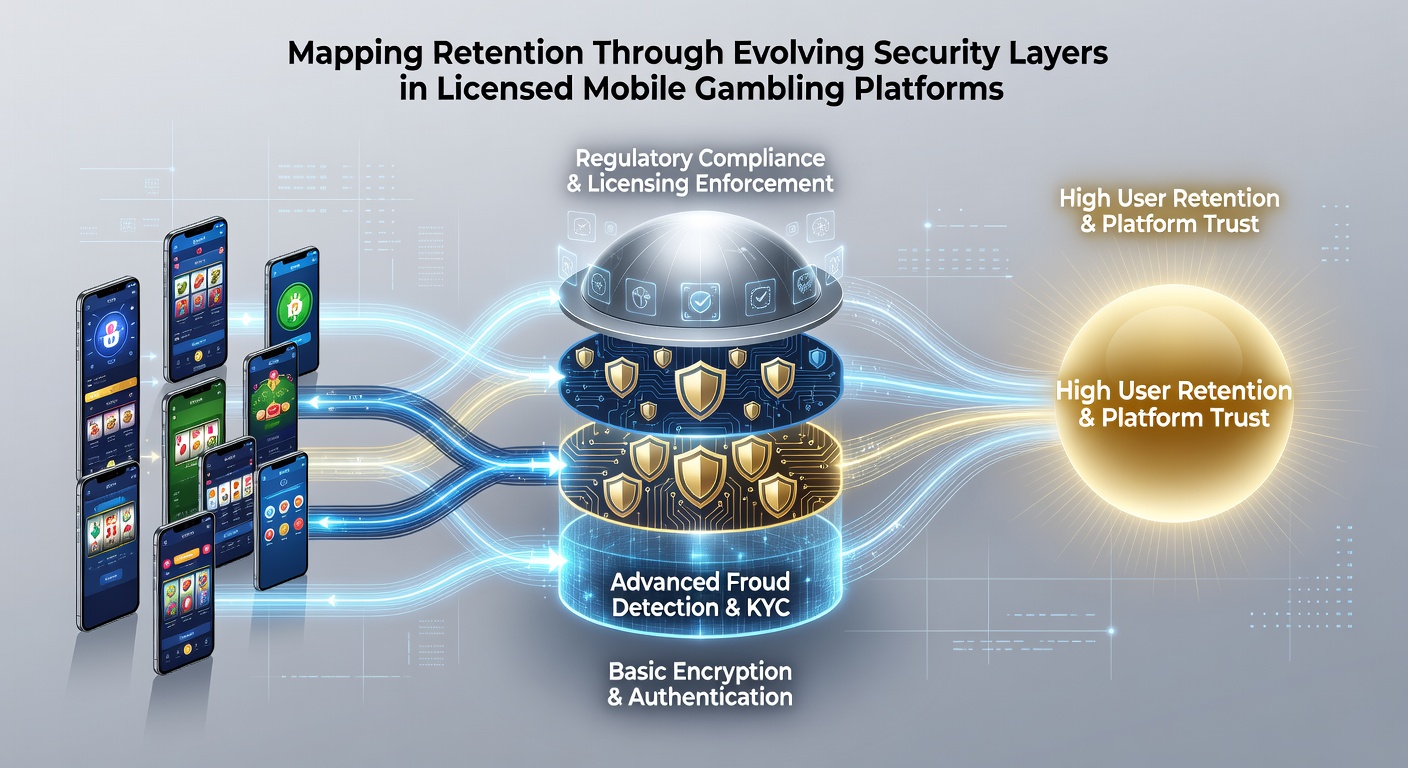
Operators licensed in multiple regions must align with varying mandates, such as those enforced by the New Jersey Division of Gaming Enforcement alongside emerging EU directives on digital identity, and this patchwork drives innovation in unified security dashboards that adapt per jurisdiction. Data shows that compliance-ready platforms achieve faster approval cycles for new game releases, which in turn supports content freshness that sustains interest.
Cross-border data sharing agreements established in early 2026 allow real-time verification of self-exclusion lists without compromising individual privacy layers, and this development reduces regulatory penalties while building trust that indirectly boosts retention through demonstrated accountability. Platforms that communicate these protections clearly in onboarding flows record fewer early exits during the critical first week.
Retention Data and Security Correlation Studies
Analytics platforms tracking over 200 licensed applications have mapped retention curves against security update timelines, revealing that major layer additions produce temporary dips followed by rebounds within 14 days when communication is transparent. Figures reveal that users who complete enhanced verification steps show 27 percent higher lifetime value because fewer accounts become dormant due to security-related lockouts.
Payment innovations tied to security layers, including tokenized wallets with instant fraud alerts, further strengthen these patterns, and industry reports from the American Gaming Association highlight how such integrations reduce chargeback rates by up to 35 percent in mobile-first environments. Observers note that lower dispute volumes free resources for loyalty programs that reinforce ongoing participation.
Future Trajectories for Security-Driven Engagement
Artificial intelligence models now predict potential account takeovers days in advance by cross-referencing device signals with historical play data, and early interventions preserve user momentum rather than halting it abruptly. Licensed operators testing these predictive systems in controlled markets report sustained monthly active user growth through June 2026, particularly in live dealer verticals where trust remains paramount.
Collaboration between academic researchers and platform developers continues to refine these models, focusing on minimizing false positives that could erode confidence. The result is a feedback loop where stronger security not only protects assets but also maps directly onto longer, more consistent engagement cycles across diverse player demographics.
Conclusion
Security layers in licensed mobile gambling platforms have become strategic tools for retention mapping, with each advancement in authentication, encryption, and monitoring producing traceable effects on user longevity. Platforms that integrate these elements fluidly while meeting regional standards position themselves to maintain stable cohorts amid evolving threats and expectations. Data from multiple sources confirms that thoughtful security implementation supports both compliance and sustained participation without requiring trade-offs in user experience.