Payment Flexibility as a Marker of Leading Mobile Live Casino Platforms
Understanding Payment Options in Mobile Live Dealer Environments
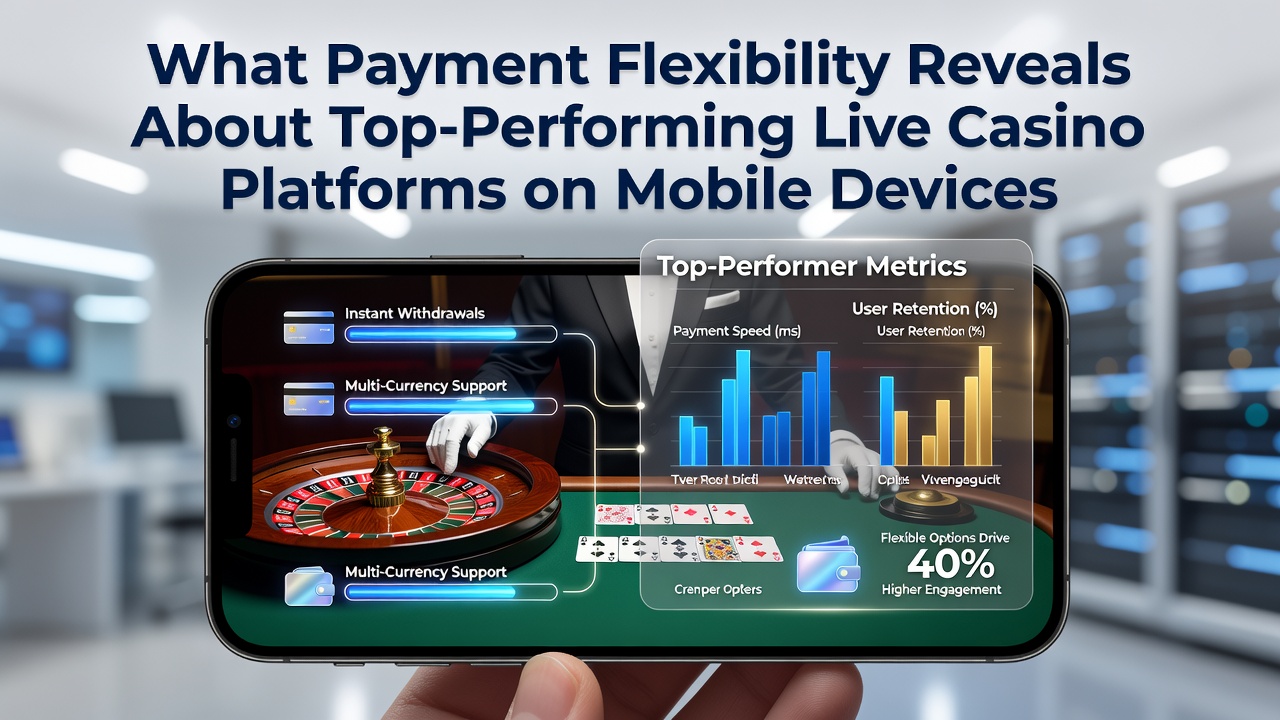
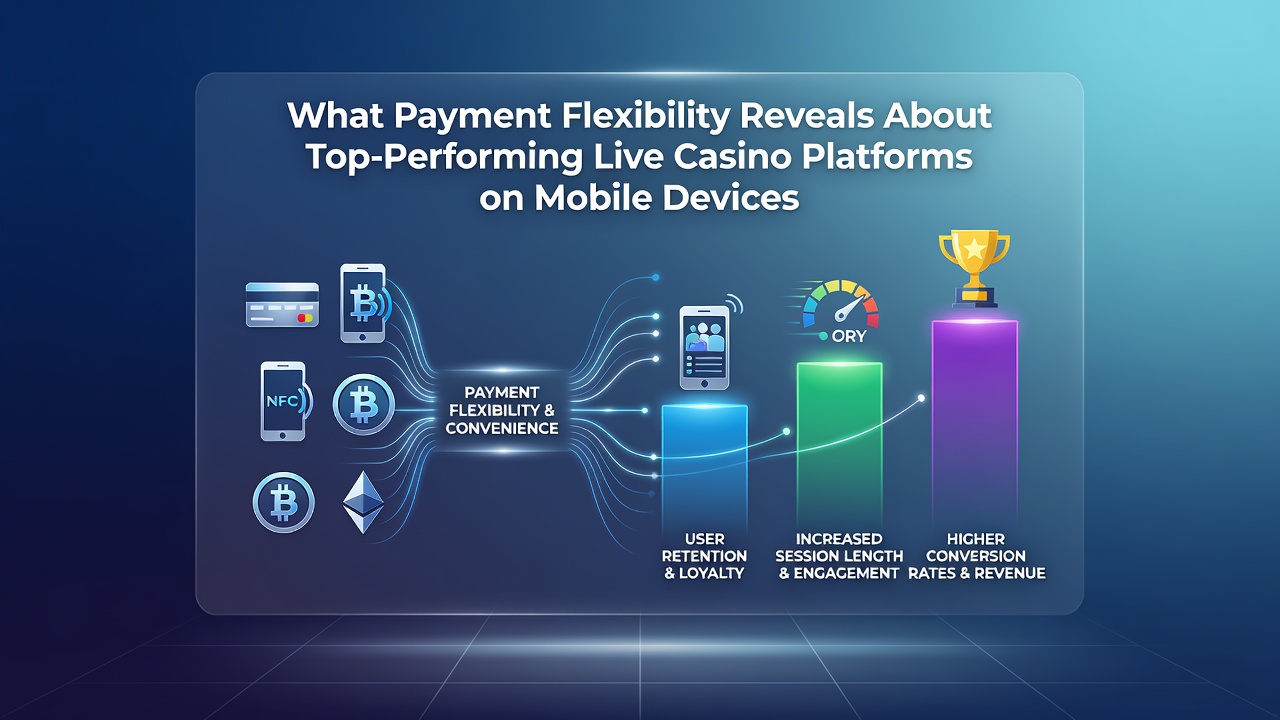
Payment flexibility encompasses the range of deposit and withdrawal methods available, the speed of transaction processing, and the seamless integration of those tools within mobile applications, and data from industry reports indicate that platforms offering multiple options often achieve higher user retention rates across global markets. Observers note that live casino apps supporting credit cards, e-wallets, bank transfers, and cryptocurrency tend to rank higher in app store metrics during periods of increased mobile usage such as the data reviewed in July 2026.
Researchers have tracked how these features interact with live dealer sessions where players switch between games and manage funds in real time, and studies from academic institutions show correlations between diverse payment systems and sustained engagement levels on both Android and iOS devices.
Transaction Speed and Its Connection to Platform Performance
Fast payouts represent one of the most visible aspects of payment flexibility, with top-performing apps completing withdrawals in under an hour for verified users while slower systems require days for the same processes, and figures from multiple regional analyses reveal that this difference influences overall app ratings. Those who monitor mobile casino trends point out that platforms achieving instant or near-instant transfers frequently appear in the upper tiers of download charts and review aggregates.
But here's the thing: speed alone does not determine success, because integration quality matters just as much, and apps that embed payment flows directly into the live dealer interface reduce friction during high-stakes moments. Data indicates that users on devices with optimized payment pathways complete more sessions per month compared to those navigating separate banking portals.
Diverse Methods and Geographic Reach
Top platforms adapt payment selections to regional preferences, incorporating local banking solutions alongside international standards, and this approach supports broader adoption in markets where certain methods dominate. One study revealed that apps expanding their options to include region-specific e-wallets saw measurable increases in active accounts from those areas during 2026.
What's interesting is how cryptocurrency support fits into this landscape, with several leading mobile live casino applications adding digital asset transfers that bypass traditional banking delays, and reports from industry organizations link this addition to improved performance in jurisdictions where crypto usage has grown steadily.
Data Patterns Across App Metrics
Analysis of app store data and user reviews shows that platforms with flexible payment structures consistently receive higher marks for reliability and convenience, and external links to American Gaming Association reports highlight how payment variety aligns with elevated gross gaming revenue figures in mobile segments. Experts tracking these metrics in July 2026 observed that apps introducing new withdrawal options experienced noticeable upticks in positive feedback within weeks of the updates.
Turns out the pattern holds across different device ecosystems, whereas Android apps sometimes prioritize certain e-wallet partnerships that differ from iOS selections, yet both benefit when the overall menu remains extensive. Research from university-led gaming studies confirms that payment flexibility contributes to lower abandonment rates during the funding stage of live sessions.
Regulatory Context and Industry Standards
Regulatory bodies in various regions set baseline requirements for payment processing that influence how platforms structure their options, and compliance with these standards often coincides with stronger operational performance. Observers have noted that platforms meeting or exceeding these benchmarks tend to maintain steadier user bases over time.
People who've examined cross-border data find that flexibility in payment methods also supports responsible gaming tools such as spending limits and instant transaction histories, which integrate more easily when multiple channels are present. This combination appears in many of the highest-rated live dealer applications available on mobile devices.
Conclusion
Payment flexibility serves as a practical indicator of how well mobile live casino platforms meet user expectations around speed, choice, and reliability, and ongoing data collection continues to map these connections across expanding markets. Those monitoring the sector note that platforms investing in these areas maintain competitive positions as mobile live dealer experiences evolve through 2026 and beyond.