Platform-Specific Incentive Designs Emerging from Comprehensive App Evaluation Data
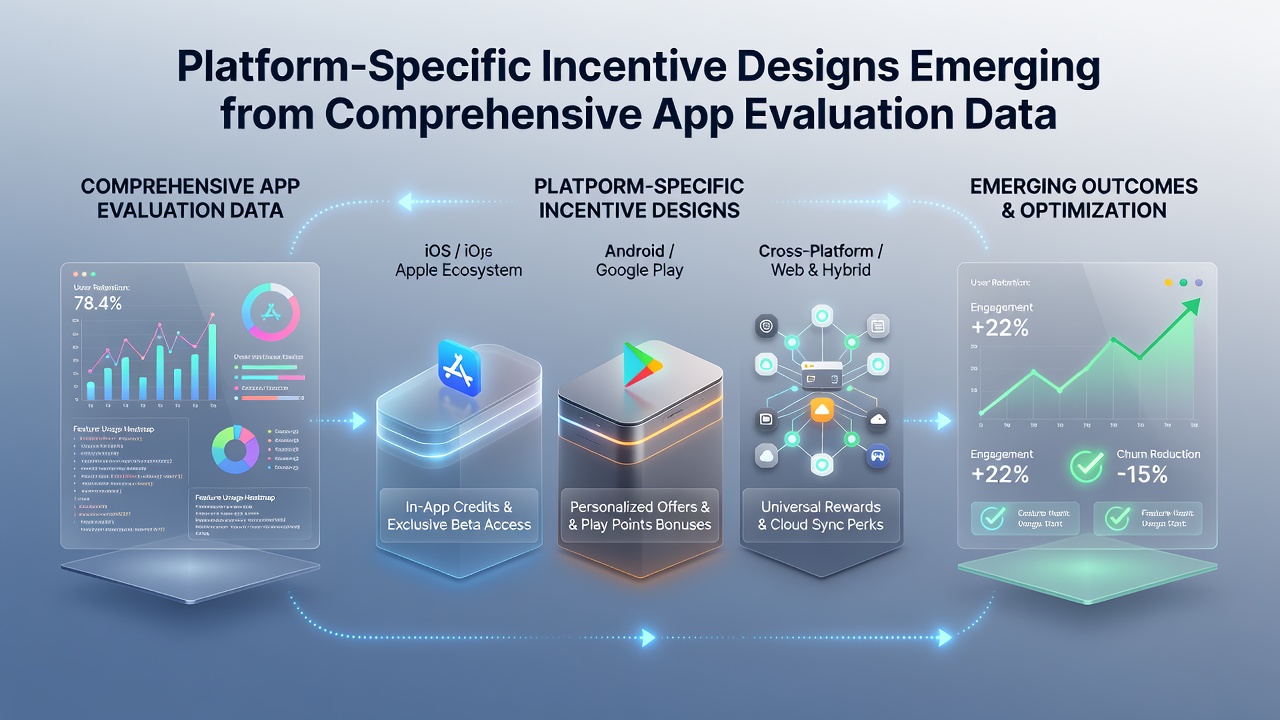
Platform-specific incentive designs have taken shape through detailed analysis of app performance metrics collected across millions of user interactions, and researchers continue to refine these approaches as evaluation data grows more granular each quarter. Data from app analytics platforms reveals distinct patterns where Android users respond more readily to immediate reward structures while iOS audiences show stronger retention when incentives emphasize long-term value adn seamless integration with existing device ecosystems.
Core Differences in Platform Evaluation Frameworks
Comprehensive evaluations break down user behavior by operating system, device type, and regional demographics, which allows developers to isolate which incentive elements drive downloads, session length, and conversion rates. Studies conducted by independent research groups indicate that Android apps incorporating tiered loyalty points tied to daily logins achieve measurable lifts in active user counts, whereas iOS apps that bundle subscription trials with exclusive content previews demonstrate higher renewal percentages over six-month periods.
Evaluation data collected through 2025 and into the first half of 2026 highlights how payment processing differences between platforms influence incentive timing, with Google Play's billing flexibility enabling more frequent micro-rewards compared to the structured approach required by Apple’s App Store guidelines. Observers note that these structural variances prompt developers to calibrate bonus frequency and reward magnitude separately for each store.
Data Patterns Shaping Incentive Models
App evaluation datasets consistently show that personalization depth correlates with higher engagement when tailored to platform-specific user profiles. For instance, one analysis released in June 2026 by a North American research consortium examined over 200 apps across productivity and wellness categories and found Android implementations using location-triggered notifications paired with small in-app credits produced stronger open rates than generic push campaigns. The same dataset revealed iOS users retained higher lifetime value when incentives aligned with Apple’s focus on privacy-compliant tracking and family-sharing features.
What's interesting is how machine learning models trained on cross-platform data now predict optimal incentive windows, allowing teams to adjust offers dynamically without manual intervention. Figures from the Australian Communications and Media Authority annual digital services report confirm similar regional variations, where incentive designs tested in Oceania markets mirror broader global trends yet adapt to local regulatory nuances around data usage.
Industry Applications Across Sectors
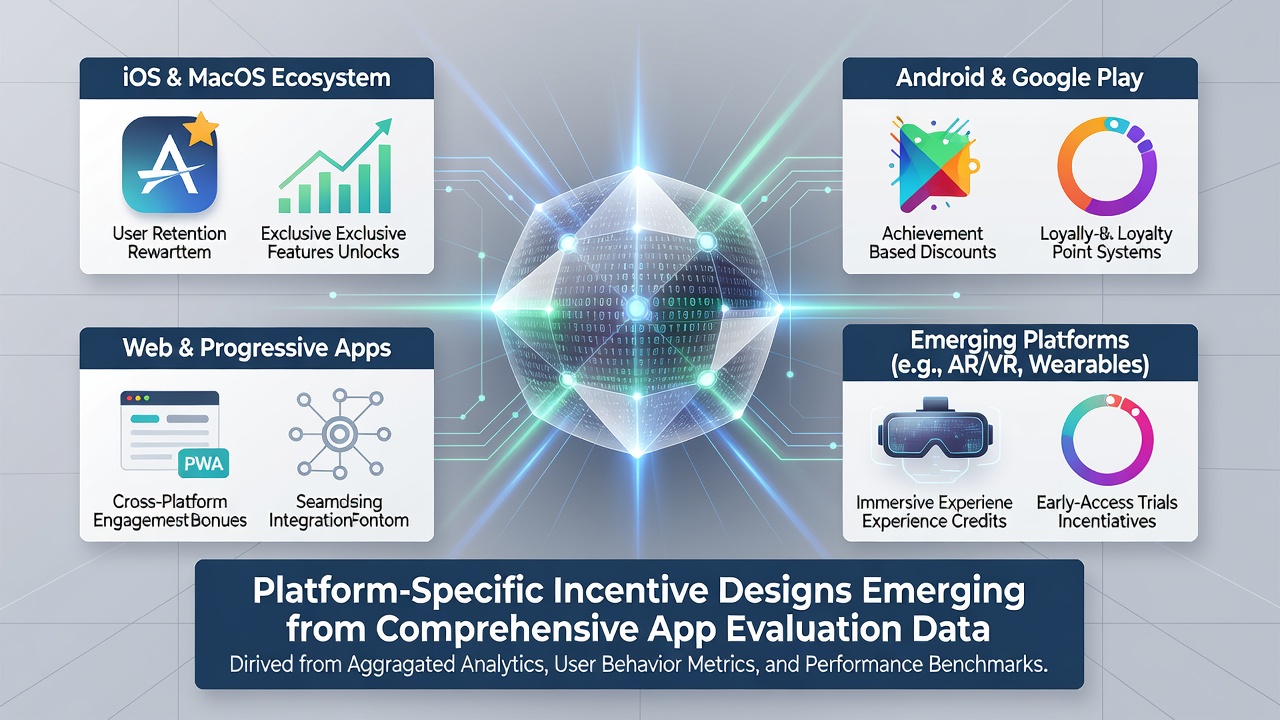
Retail and e-commerce apps provide clear case examples of these differentiated designs in action. Evaluation reports indicate Android versions often deploy flash sale alerts combined with instant discount codes, while iOS counterparts emphasize curated product bundles available through subscription tiers that integrate with Apple Pay for reduced friction. Both approaches stem from A/B testing results that measure completion rates at each stage of the user journey.
Health and fitness applications follow comparable logic. Researchers tracking outcomes across European markets documented that Android users engaged more consistently when apps awarded achievement badges redeemable for partner discounts, whereas iOS audiences showed elevated participation when incentives included integration with HealthKit data for personalized goal tracking. These findings appear in aggregated industry white papers published by the Mobile Marketing Association and align with patterns observed in Canadian digital health studies.
Emerging Adjustments in Mid-2026
By June 2026, several development teams had begun incorporating predictive analytics that forecast platform-specific churn risks, enabling preemptive incentive adjustments before users disengage. Evaluation data processed through these systems shows measurable reductions in uninstall rates when rewards are calibrated to each platform’s dominant user cohort characteristics. Regulatory updates from bodies such as the European Data Protection Board further shape how much personalization remains permissible, prompting developers to refine incentive transparency features accordingly.
Those who’ve studied these trends note that successful implementations maintain consistent brand messaging while varying only the delivery mechanics and reward cadence between stores. This dual-track strategy preserves user trust while capitalizing on each platform’s unique technical and behavioral profile.
Conclusion
Platform-specific incentive designs continue to evolve as evaluation datasets expand and machine learning tools grow more sophisticated. Evidence from multiple regions demonstrates that separating incentive strategies by operating system yields stronger performance metrics than uniform approaches. Developers who base their models on comprehensive, ongoing app evaluation data position their products to meet user expectations more precisely across both major mobile ecosystems.