The Role of Funding Methods in Determining Success Metrics for Live Interaction Mobile Gaming Platforms
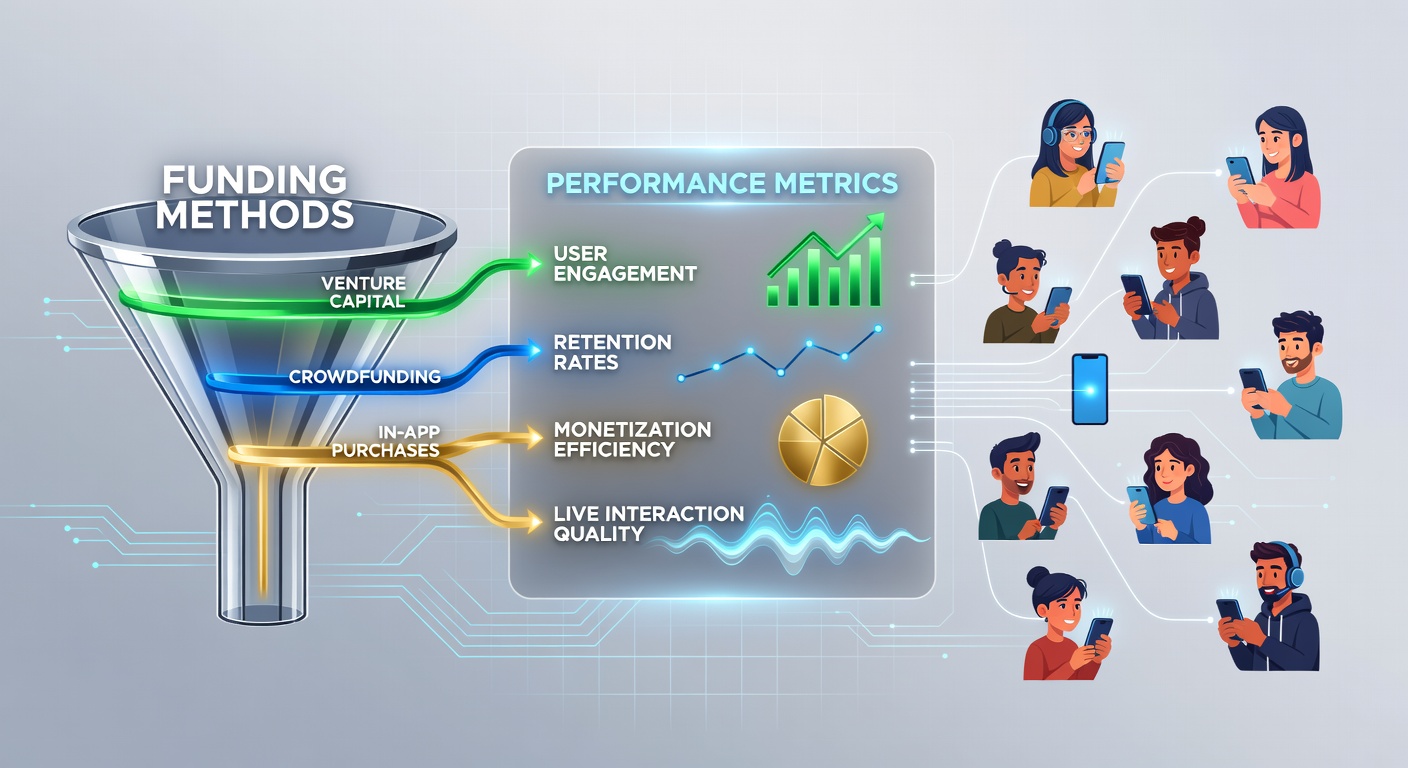
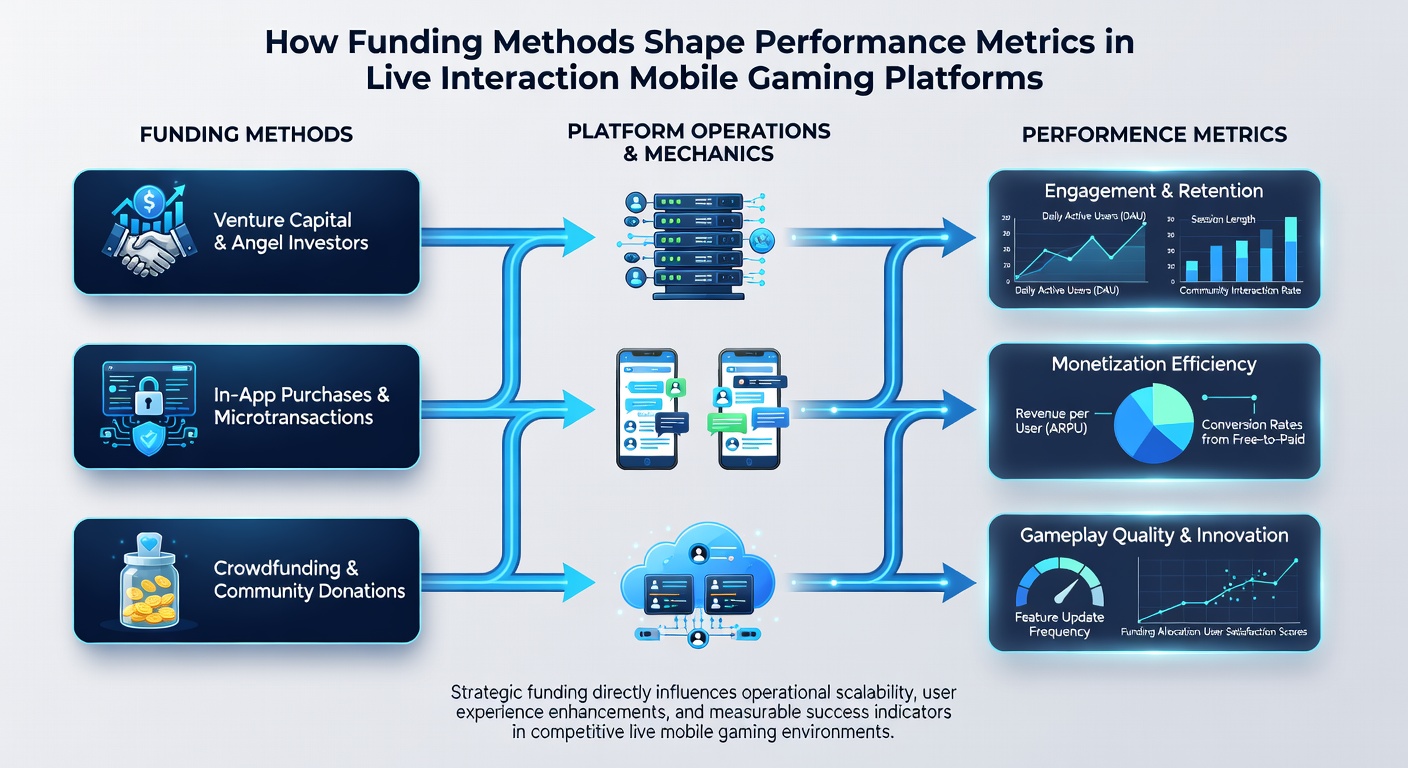
Live interaction mobile gaming platforms rely on real-time player connections, and the ways users fund their accounts directly influence key performance indicators such as daily active users, session duration, and in-app revenue generation. Funding methods range from credit card transactions and digital wallets to prepaid cards and emerging options like cryptocurrency transfers, each carrying distinct processing speeds and user accessibility levels. Research indicates that platforms integrating multiple seamless payment gateways tend to report stronger retention figures because players encounter fewer barriers when topping up balances for continued participation in live sessions.
Payment Processing Speed and Its Effect on Engagement Data
Instant funding options allow players to join ongoing matches or events without interruption, and this capability correlates with elevated engagement metrics across numerous platforms. When processing times stretch beyond a few minutes, observers note drops in immediate participation rates, particularly during peak evening hours when live interactions peak. Data from industry analyses shows that platforms emphasizing rapid deposit confirmations achieve higher average session lengths, since users remain immersed in collaborative or competitive environments rather than navigating payment delays.
Those who study mobile gaming trends point out that e-wallet integrations often outperform traditional card methods in conversion rates because they reduce friction during high-stakes moments. Platforms that prioritize these faster channels frequently record improved monthly recurring revenue numbers, as players return more consistently when funding feels effortless and immediate.
Regional Preferences and Metric Variations
Geographic differences shape how funding methods translate into performance outcomes, with users in certain markets favoring localized options that align with banking habits. In North American regions, credit cards and PayPal dominate, contributing to steady user acquisition numbers, whereas Asian markets show stronger adoption of mobile carrier billing and regional wallets that boost conversion from free to paying users. A report from the Canadian Gaming Association highlights how these localized preferences influence overall platform rankings in app stores through sustained player activity levels.
Platforms adapting funding menus to regional demands often see corresponding lifts in key indicators such as player lifetime value and referral rates. Researchers have documented cases where introducing region-specific methods led to measurable gains in both retention curves and in-game social interactions during May 2026 updates.
Security Features and Their Influence on Trust Metrics
Funding methods equipped with advanced verification layers tend to build higher user confidence, which manifests in stronger loyalty indicators and lower churn rates. Biometric-linked payments or two-factor authenticated wallets reduce concerns over transaction safety, encouraging longer-term commitments to live platform ecosystems. Evidence suggests that platforms highlighting these security elements experience improved review scores and higher volumes of positive feedback tied directly to transaction reliability.
Take one developer team that incorporated multi-layer encryption across all supported funding channels, and the resulting data revealed noticeable upticks in both average revenue per user and frequency of live event participation. Such adjustments demonstrate how security perceptions feed into broader performance dashboards without requiring extensive marketing pushes.
Data Patterns Across Funding Categories
Prepaid and gift card methods attract a distinct user segment that values anonymity and controlled spending, often leading to concentrated bursts of activity followed by steady but predictable engagement patterns. In contrast, subscription-style funding tied to live platforms generates more consistent monthly metrics because recurring charges align with ongoing participation in scheduled interactions. Industry reports compiled through 2026 indicate that diversified funding portfolios help stabilize fluctuations in daily active user counts across seasonal periods.
Observers note that cryptocurrency options, though still emerging, produce unique metric signatures including higher average transaction sizes among early adopters yet slower overall adoption curves due to volatility perceptions. Platforms testing these methods report mixed results in retention figures, with success depending largely on clear communication about conversion processes and value stability.
Conclusion
Funding methods serve as foundational elements that shape multiple layers of performance data in live interaction mobile gaming platforms, from initial user acquisition through sustained engagement and revenue realization. Platforms that align payment options with user expectations and regional realities consistently demonstrate stronger metric profiles across active user counts, session quality, and long-term retention indicators. Continued monitoring of these relationships remains essential as new funding technologies enter the market and player behaviors evolve in response.