The Role of Machine Learning in Optimizing Player Interactions Within Mobile Casino Applications

Developers integrate machine learning models into mobile casino platforms to adjust game suggestions, bonus structures, and session timing based on individual user patterns, and these systems draw from large datasets that track login frequency, bet sizes, and game preferences across thousands of sessions. Research from academic institutions shows that clustering algorithms group players by behavior profiles, while reinforcement learning refines reward delivery to maintain activity levels without crossing regulatory thresholds.
Core Algorithms Behind Personalization Systems
Supervised learning techniques analyze historical data to predict when a player might reduce participation, and neural networks process variables such as time spent on specific titles or responses to previous promotions. Unsupervised methods identify emerging segments that traditional rules miss, allowing operators to test tailored content in controlled environments. Observers note that these approaches operate continuously, updating models as new interactions occur rather than relying on static weekly reports.
Predictive Analytics for Session Management
Platforms apply time-series forecasting to estimate optimal moments for offering free spins or deposit matches, and this process connects directly to real-time inputs like device type and connection speed. Data indicates that such timing adjustments correlate with extended average session lengths in multiple regional markets. Experts have observed similar patterns in non-gambling mobile applications where engagement metrics improve through comparable predictive triggers.
Implementation Across Global Markets
Operators in North America and Europe deploy these tools under frameworks set by bodies such as the New Jersey Division of Gaming Enforcement, while Australian regulators require transparency reports on algorithmic decision-making. Studies from university research groups highlight how decision trees and gradient boosting models help balance acquisition costs against long-term retention rates. One study revealed that platforms using these methods recorded measurable shifts in repeat visit rates during the first half of 2026.
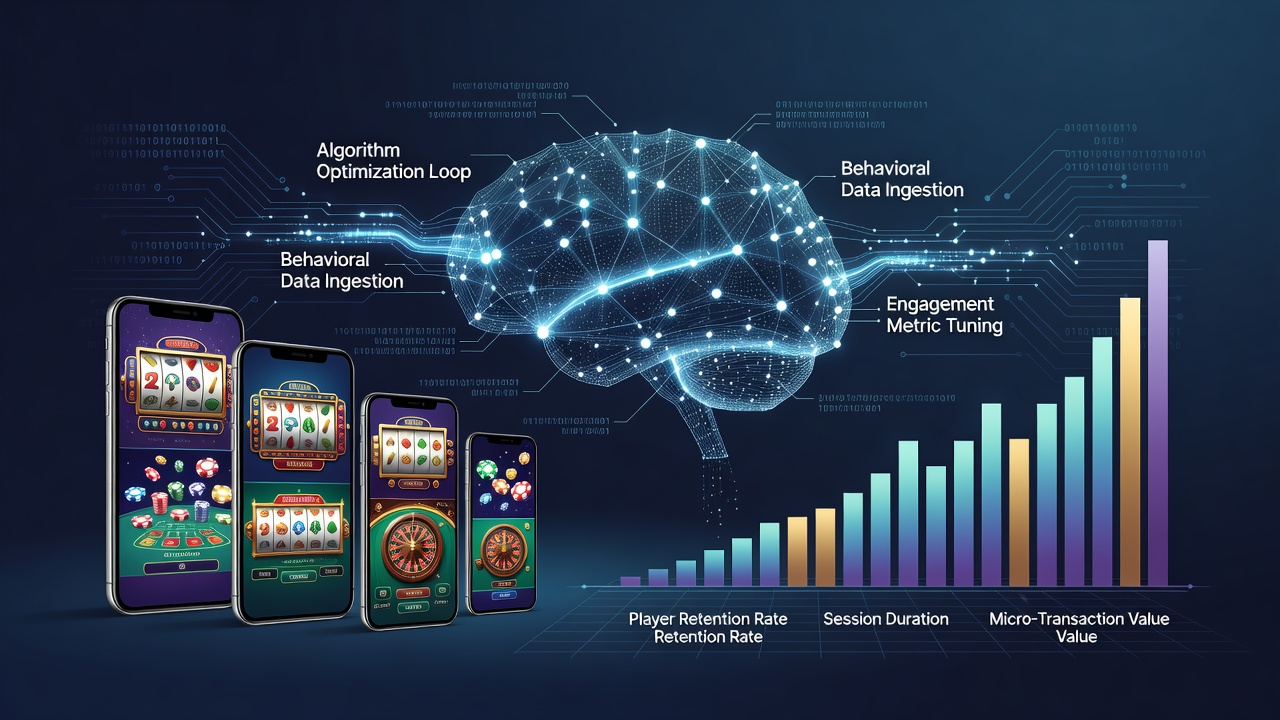
As of August 2026, several large operators reported integrating multi-armed bandit algorithms to allocate promotional budgets across player cohorts, and this technique tests multiple offer variants simultaneously before scaling the highest-performing option. The approach reduces reliance on broad campaigns that previously applied uniform incentives regardless of user history.
Data Sources and Model Training Practices
Training datasets combine anonymized transaction logs with in-app event streams, and preprocessing steps remove personally identifiable information before model updates occur. Industry reports from organizations like the Gaming Standards Association document common validation protocols that compare model outputs against control groups to confirm accuracy. Those who've studied deployment timelines note that retraining cycles now occur weekly in high-volume systems to capture seasonal variations in player behavior.
Feature engineering focuses on metrics such as average wager per game category and response latency to push notifications, while cross-validation prevents overfitting to short-term trends. Researchers discovered that combining these engineered features with raw sequence data from game logs improves prediction stability across different device ecosystems.
Regulatory Considerations and Compliance Mechanisms
Compliance teams review model outputs for fairness indicators, and audit logs record every parameter change that affects bonus eligibility. European data protection rules require explicit consent mechanisms before certain behavioral profiles feed into live systems. Canadian provincial authorities have published guidelines that emphasize explainability, prompting operators to maintain simplified versions of complex models for regulatory review.
Conclusion
Machine learning continues to shape how mobile casino applications structure player interactions through ongoing refinement of predictive and adaptive components, and current implementations rely on established statistical methods applied at scale. Figures from multiple oversight bodies show sustained adoption rates through mid-2026, with operators maintaining separate teams dedicated to model governance alongside core development. The landscape remains tied to evolving technical standards and regional reporting requirements that guide responsible deployment.